Cleaner fittings
Helps reduce chalky deposits on taps, showerheads, tiles and sanitaryware.
Water softeners for homes, apartments, hotels, offices and commercial sites — tested, correctly sized, installed and supported by DhwaNeer. One solution category, engineered around your actual water and usage.
Hardness minerals leave deposits wherever water is heated, sprayed or allowed to dry. Softening addresses those minerals before they move through your plumbing and equipment.
Helps reduce chalky deposits on taps, showerheads, tiles and sanitaryware.
Helps control scale in geysers, boilers and hot-water lines.
Reduces scale exposure for washing machines, dishwashers and other water-using equipment.
Soft water generally lathers more readily, helping soap and detergent work efficiently.
Less mineral residue can reduce repeated scrubbing and scale-related housekeeping.
Helps make preventive maintenance simpler across plumbing and equipment.
We do not choose a softener from bathroom count alone. These inputs decide capacity, flow and a practical regeneration cycle.
Testing confirms the hardness load the resin must remove.
Total demand determines how much water must be softened between regenerations.
The system must supply simultaneous outlets without becoming a bottleneck.
A family, hotel laundry and commercial kitchen have different operating patterns.
We check the inlet, outlet, drain, power, bypass and practical service access.
Compact and central options for different flow, space and continuity requirements. Final selection follows the water and site assessment.
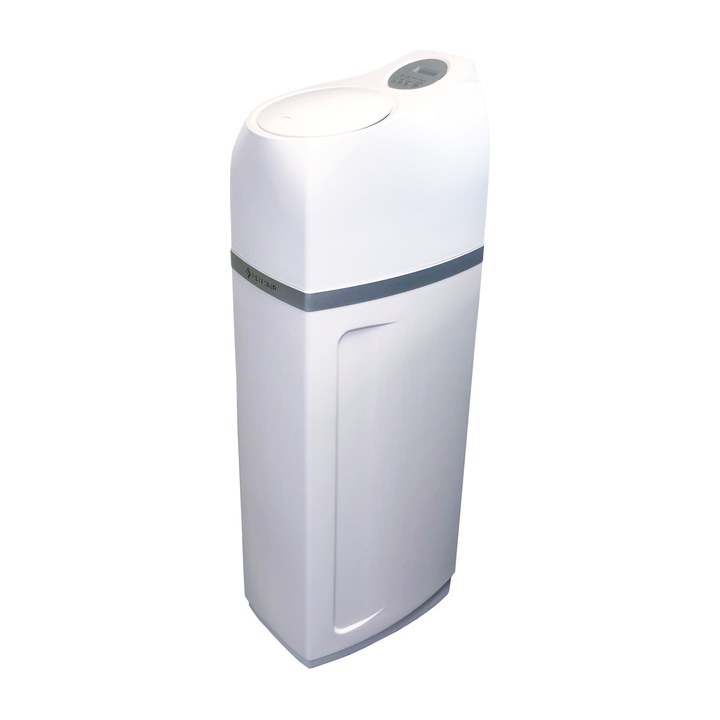
A compact, enclosed format for installations where space and a clean finish matter.
Check suitability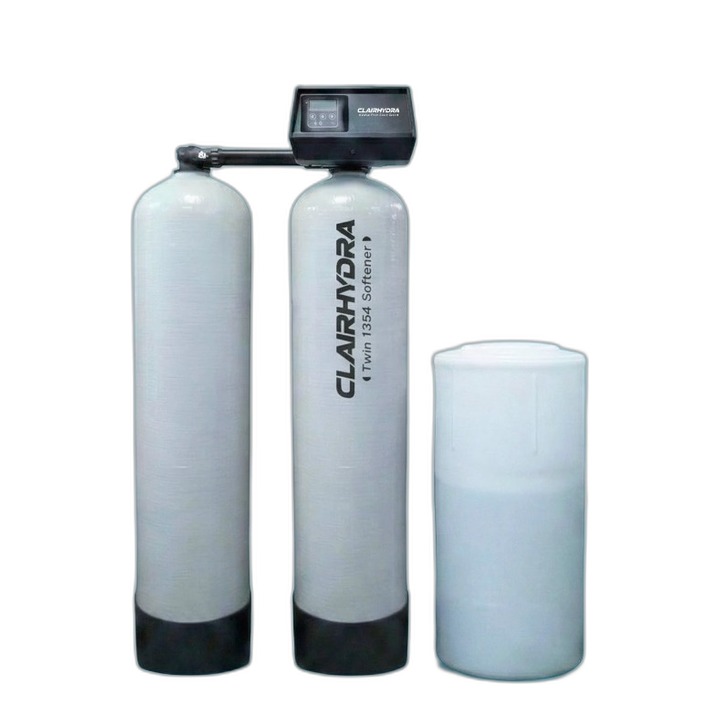
A separate vessel-and-brine-tank arrangement for larger or centrally plumbed requirements.
Discuss sizing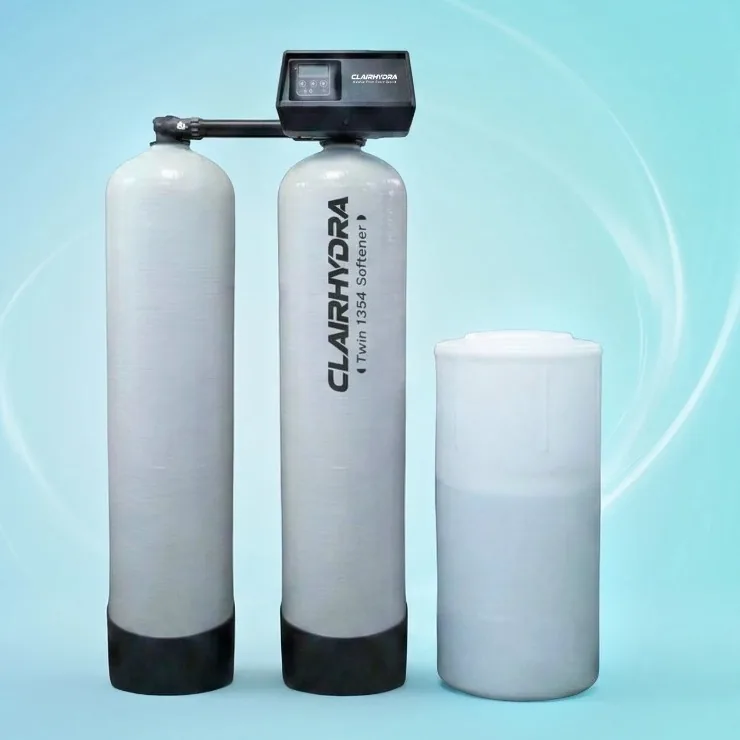
A duty-alternating configuration where soft-water continuity during regeneration is important.
Discuss continuityWe keep the page general because the same hard-water problem occurs across very different sites. The engineering changes with the requirement.
Bathroom lines, geysers, washing machines or a whole-property supply, depending on the plumbing layout.
Central softening for larger storage, multiple outlets and borewell-water hardness.
Scale control for bathrooms, hot-water systems, dishwashing, kitchens and laundries.
Utility and equipment protection sized around occupancy and operating hours.
Central or duplex systems for higher flow and applications that need supply continuity.
Explore commercial softenersSix engineered steps, one accountable team — from water analysis to ongoing support.
What to know before selecting and installing a softener.
A softener targets calcium and magnesium hardness that causes scale. It is not an RO purifier and does not primarily reduce TDS. If high TDS or drinking-water quality is the concern, the treatment requirement may be different.
Yes, when it is correctly sized for the water quality, peak demand and plumbing layout. A smaller zone or point-of-use system may make more sense in some apartments or retrofit sites.
We calculate it from hardness, daily water consumption, peak flow and a practical regeneration frequency — not from bathroom count alone.
Most ion-exchange softeners require regeneration salt and access to a suitable drain. Exact utility requirements depend on the selected system and site.
No. Softening and purification solve different water-quality problems. Additional filtration or purification is recommended only when the source-water report and intended use require it.
Yes. DhwaNeer can handle assessment, supply, plumbing integration, commissioning and ongoing service support.
Share your city, water source, application and approximate daily use. We will assess the requirement and recommend a right-sized water softener.