

What UV does
Supports microbial control as a barrier for suitable water and flow.
DhwaNeer designs, installs and supports commercial UV systems with suitable upstream treatment for kitchens, hospitality, offices and institutions.
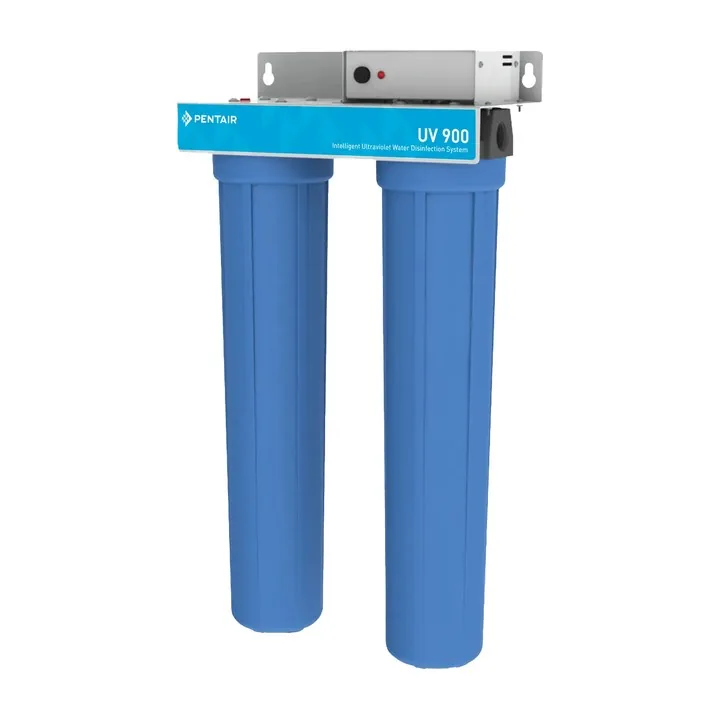
UV supports microbial control for suitable water and flow inside a controlled chamber.
Supports microbial control as a barrier for suitable water and flow.
It does not remove TDS, hardness, dissolved salts, sediment, chlorine, taste or odour.
Turbidity and particles can affect performance, so upstream treatment matters.
Storage, pipework and outlets still need appropriate hygiene after UV.
Final selection follows water quality, peak flow and site conditions.
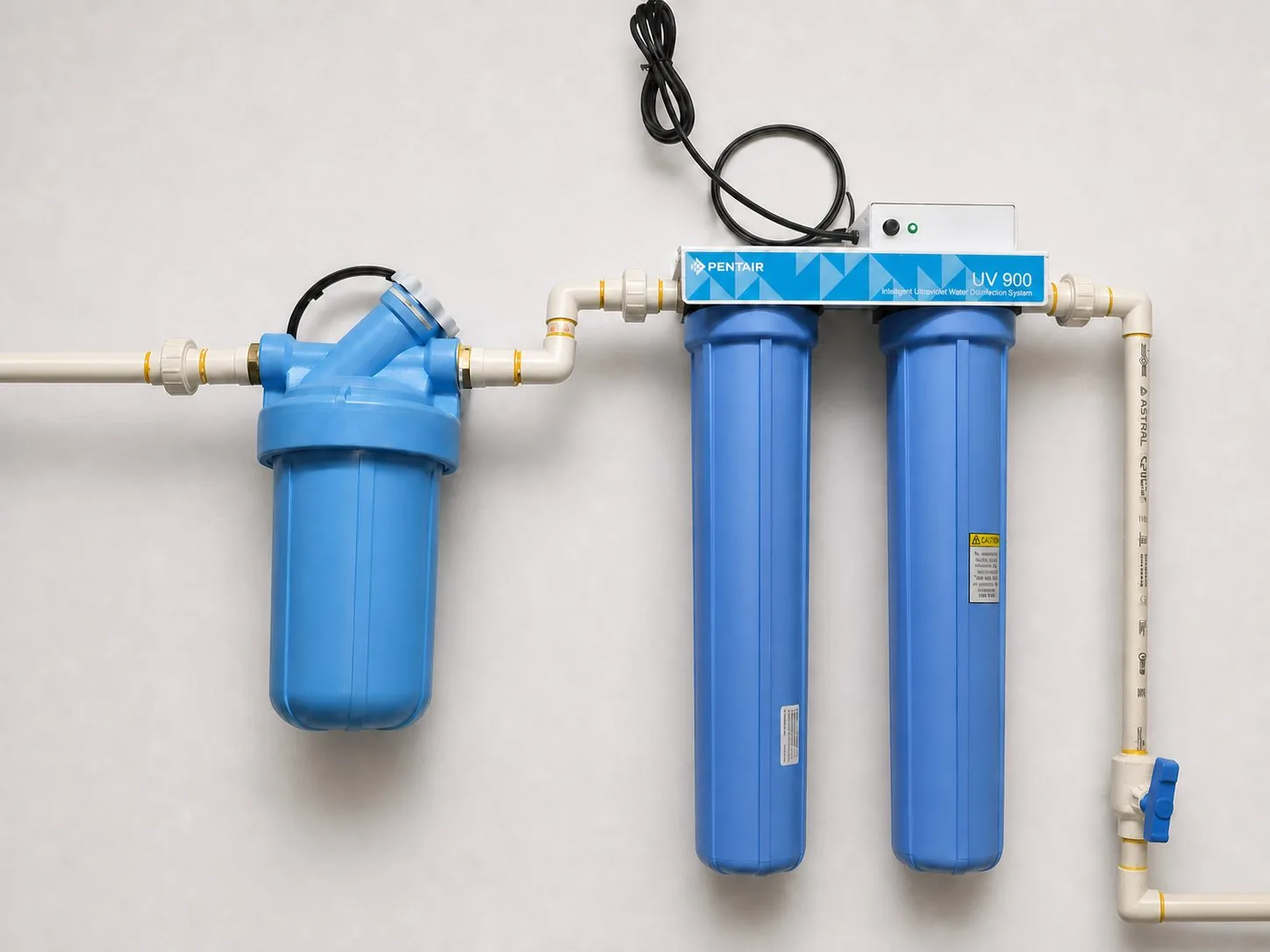
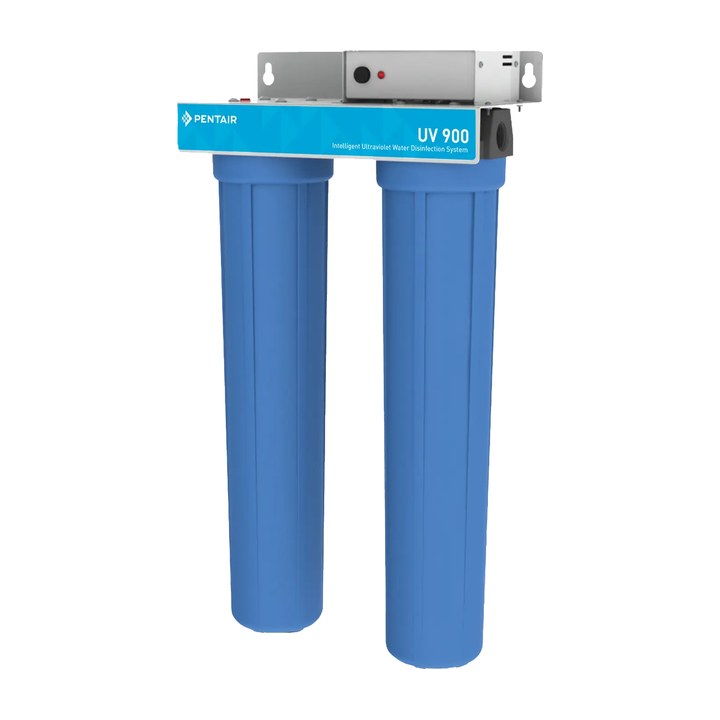 Pentair UV900
Commercial UV pathway with verified up-to-900-LPH and 5-micron pre-filtration references; final suitability follows assessment.
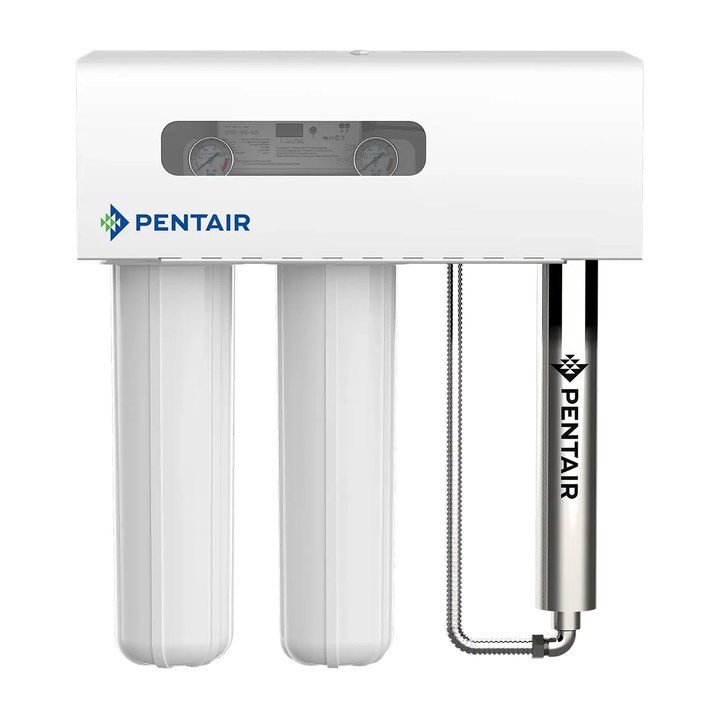 Pentair UV75
Point-of-entry UV and micro-filtration reference at 75 LPM; final configuration follows site assessment.
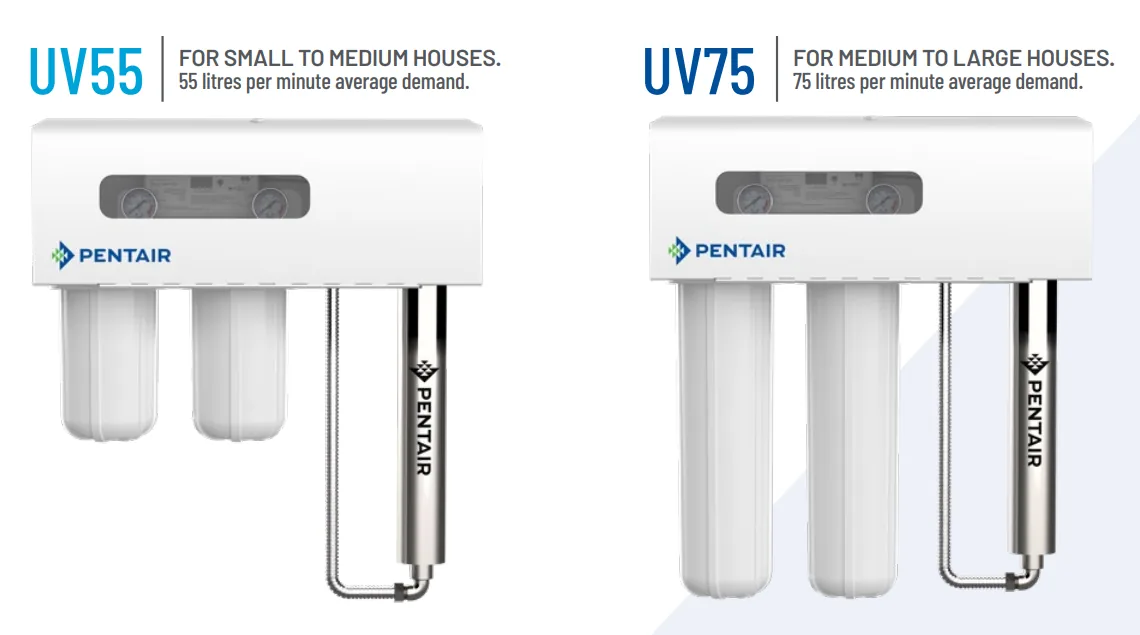 Pentair UV55 / UV75
Verified range reference for larger-flow applications; exact model is selected after assessment.
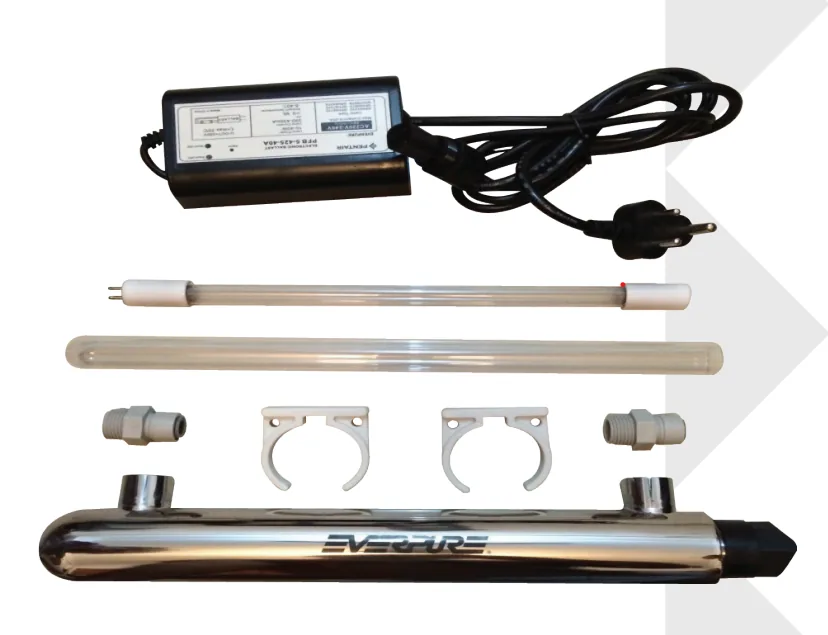 UV-2 steriliser
UV steriliser pathway for suitable applications; final configuration follows assessment.
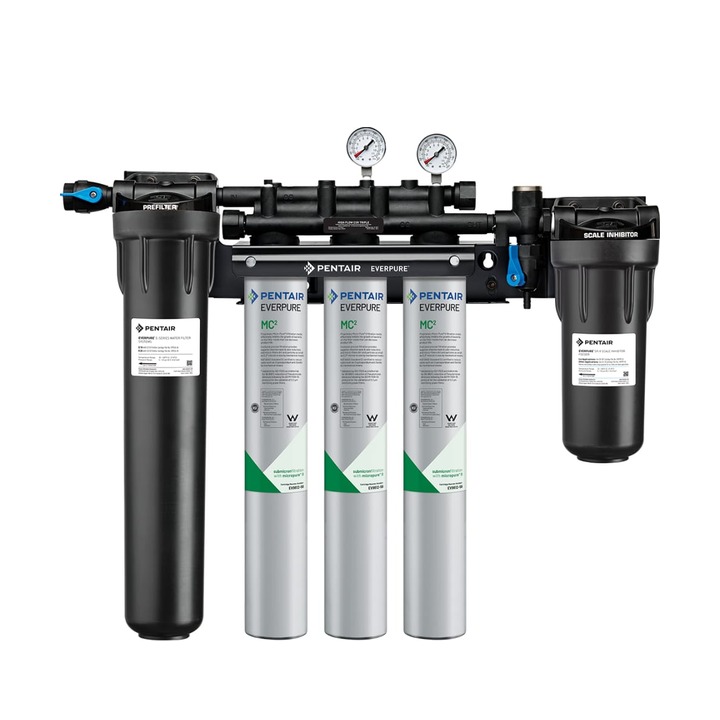 Everpure High Flow CSR
Filtration and scale-control support pathway alongside the UV stage.
Point-of-use, central, post-RO/storage and foodservice configurations are selected around source, flow, pressure, power and downstream hygiene.
At a Mumbai central kitchen receiving suitable low-TDS municipal water, DhwaNeer replaced a 500 LPH RO plant with Pentair Everpure High Flow CSR + UV900—providing the treatment the application required with a smaller footprint and no reject-water stream.
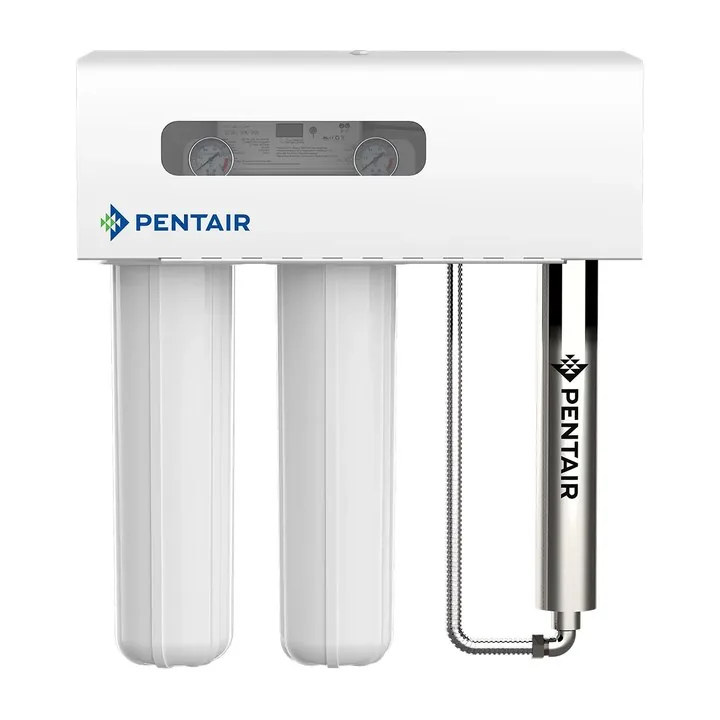
UV supports microbial control as a disinfection barrier for suitable water and flow. It does not remove TDS, hardness, dissolved salts, sediment, chlorine, taste or odour.
No. UV does not remove TDS, hardness or dissolved salts. RO, softening or another treatment may be considered when those are the actual requirements.
Often, suitable upstream treatment is important because clarity, turbidity and particles can affect UV performance.
Sizing considers peak flow, clarity and turbidity, UV transmittance when relevant, upstream treatment, pressure, chamber configuration, power, monitoring and installation position.
Check lamp status, keep the quartz sleeve in suitable condition, respect flow conditions and follow the manufacturer or service schedule.
UV is one barrier; storage, pipework and outlets still need appropriate hygiene.
RO may be considered for high TDS or dissolved contaminants, while softening addresses hardness and scale. UV solves a different part of the brief.
Tell us where UV is needed and what water it will treat. We can also assess the filtration or RO stages around it.