

RO is a fit when
TDS, salinity or a defined water-quality target is driving the requirement.
Consistent treated water starts with the right design brief. DhwaNeer reviews your source water, process demand and site constraints before engineering, installing and supporting a commercial RO system.
WhatsApp your city, water source, application and approximate demand. A water report helps us start with better questions.
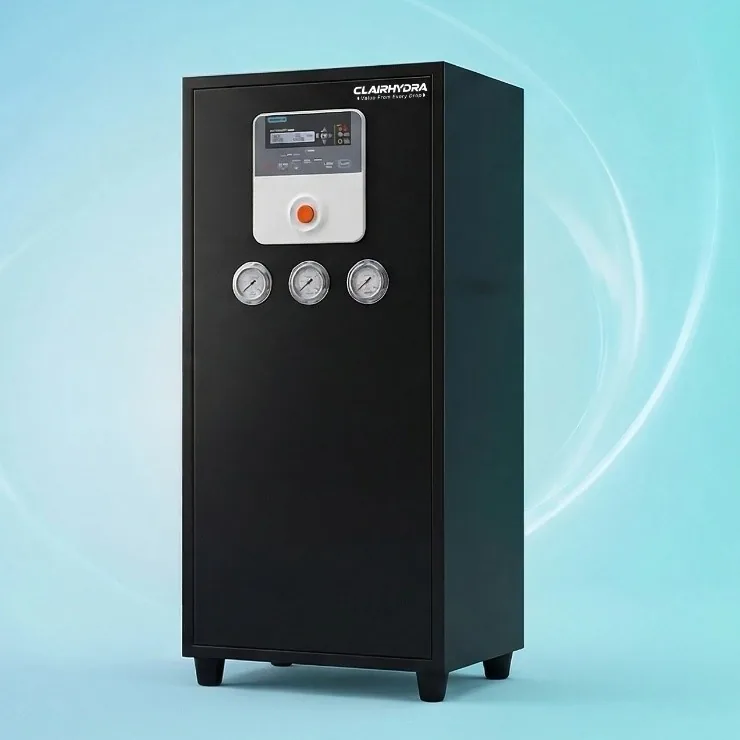
RO can reduce dissolved salts and selected contaminants, but it needs the right pretreatment, operating plan and reject-water approach. We help you decide when it is appropriate—and when softening, filtration, UV or a combination is the better fit.
TDS, salinity or a defined water-quality target is driving the requirement.
Media filtration, softening, dosing or cartridge protection may be needed before the membranes.
Recovery and reject handling should be considered before equipment is selected.
Hardness, scale, turbidity or microbial risk may call for another treatment stage first.
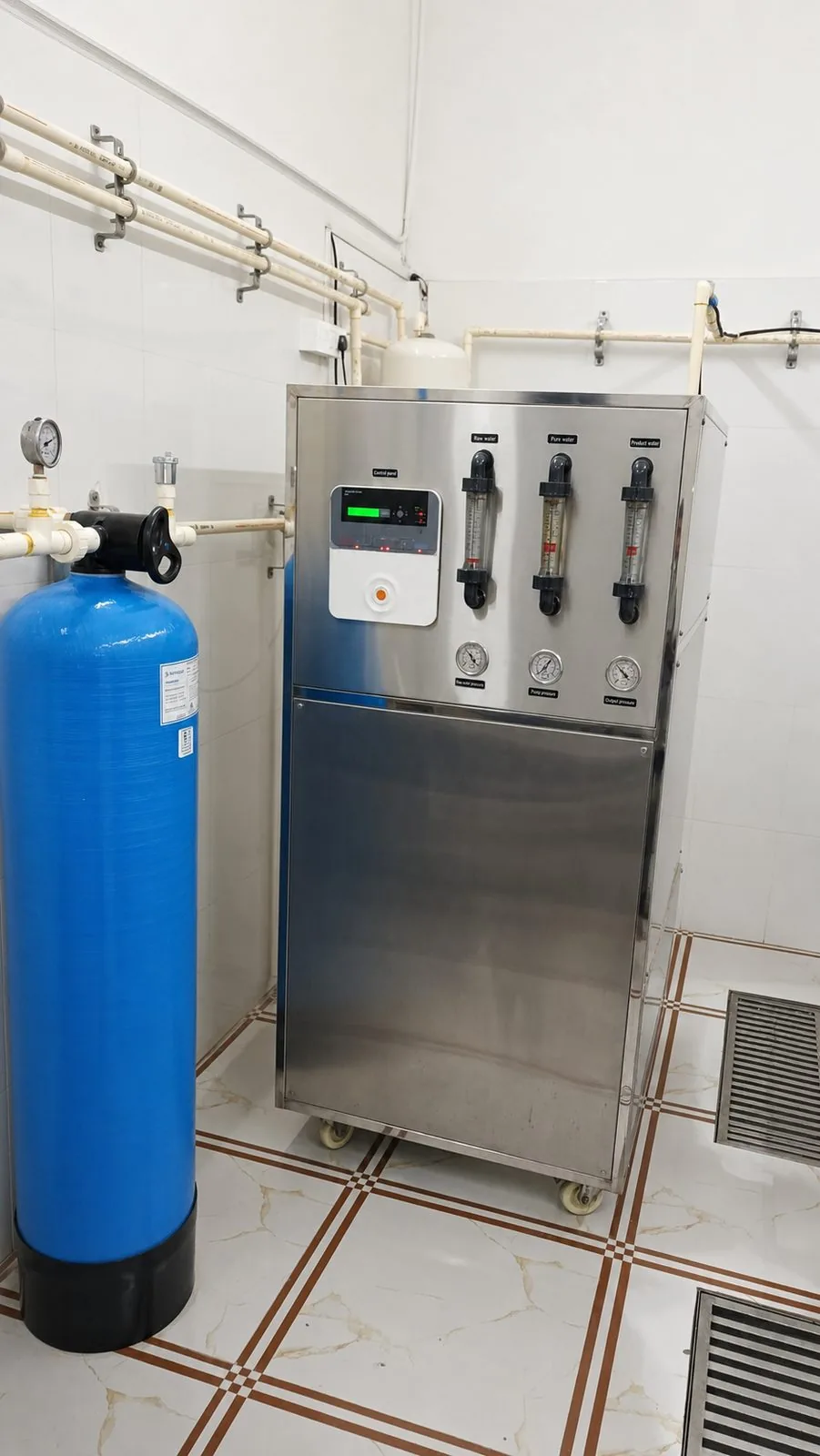
We use source-water quality, treated-water use, operating hours, peak demand, storage and acceptable recovery to shape the plant brief. That keeps the proposal grounded in your site rather than a generic LPH claim.
We adapt the treatment train to the water and the job the treated water must perform.
These planning bands help frame the conversation without pretending that one catalogue capacity fits every site.
Point-of-use drinking water, cafés, smaller kitchens and defined equipment loads where demand and storage are predictable.
Restaurants, hotels and central kitchens with daily peaks, hygiene requirements and service-continuity constraints.
Schools, hospitals, offices and residential campuses where storage, distribution and redundancy shape the plant.
Manufacturing, boiler, ingredient or utility applications governed by a specific treated-water target and operating window.
Final capacity depends on feed-water quality, treated-water demand, peak use, operating hours, storage, recovery and continuity—not application name alone. Read the commercial RO sizing guide →
RO plantMembrane separation designed around the feed-water quality and treated-water target.
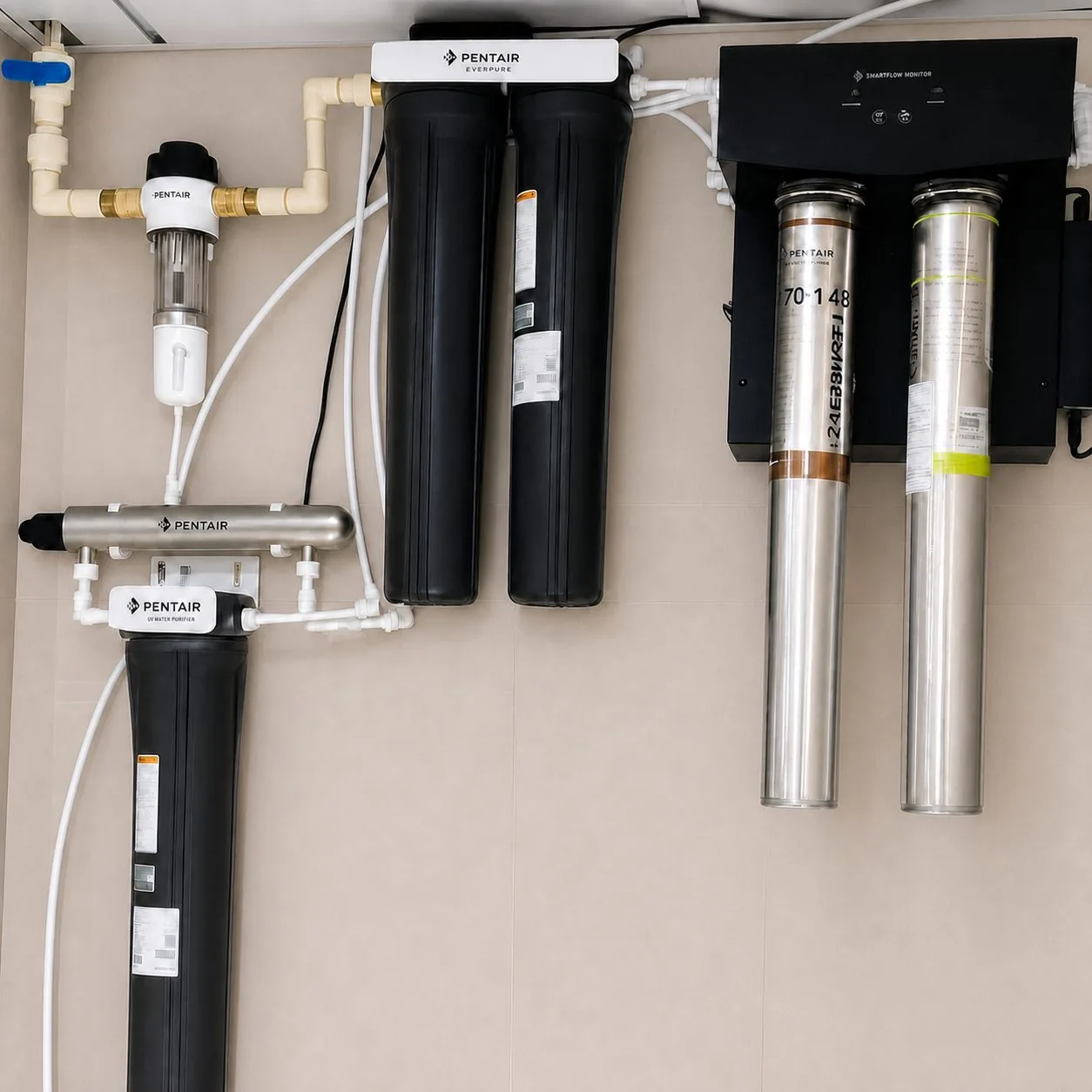 Pretreatment
Filtration, softening, dosing and cartridges can protect membranes and improve operating stability.
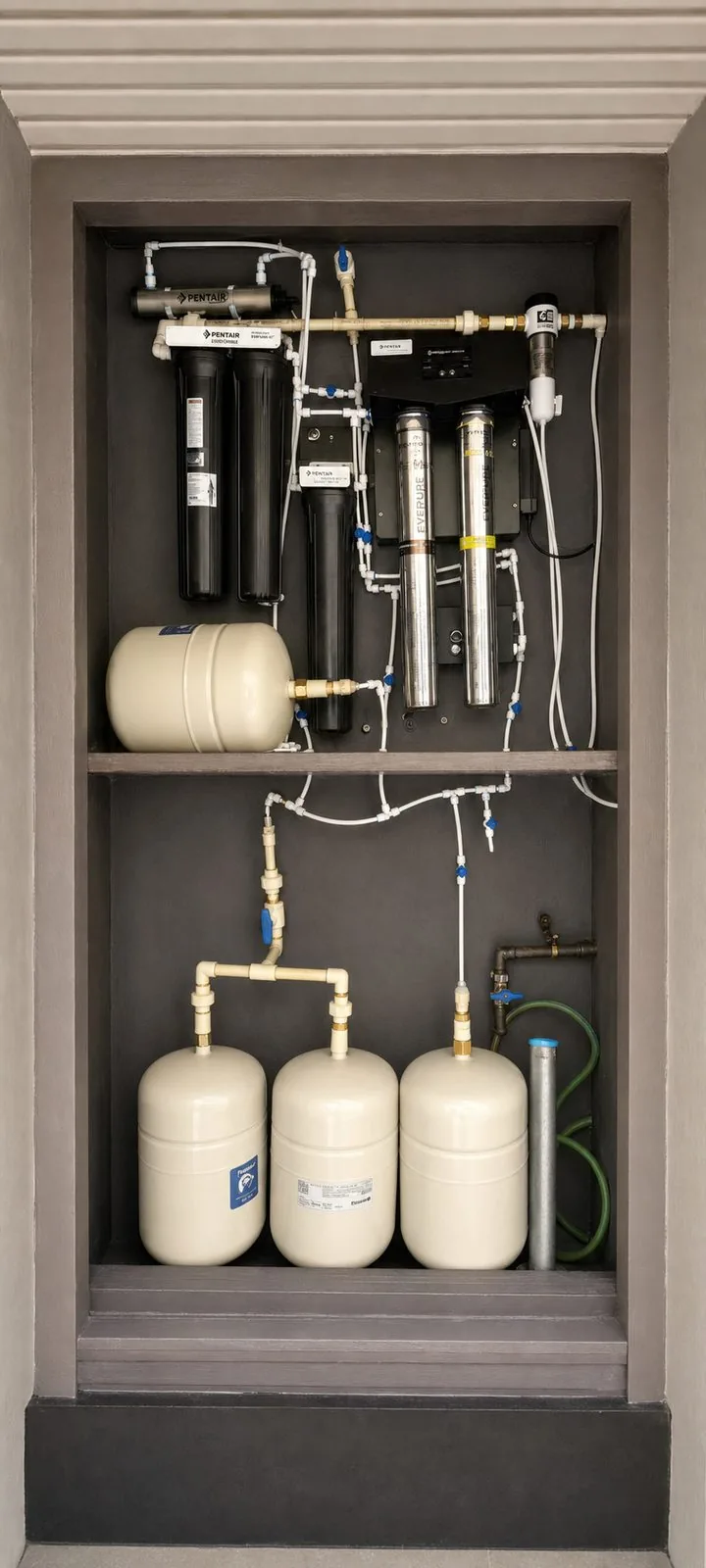 Integration
Plumbing, electrical, storage, reject routing and operator handover are part of the project conversation.
These figures come from DhwaNeer’s published project case studies; follow each link for assumptions and full context.
Integrated RO, sanitisation and filling gave the campus greater control over quality, availability and long-term operating cost.
Review figures and assumptionsFiltration and UV replaced over-treatment, ended RO reject water and retained a more suitable mineral balance for the application.
Read the engineering decisionExplore hospitality, foodservice, corporate and institutional projects spanning RO, filtration, softening, UV and system integration.
View our projectsScope varies by site, but a responsible commercial RO proposal should make these decisions visible.
Feed-water assumptions, treated-water target, demand, operating hours and continuity requirement.
Pretreatment, membrane stage, instrumentation, expected recovery basis and reject-water approach.
Storage, distribution, plumbing, electrical requirements, access, installation and commissioning scope.
Operating handover, consumables, warranty applicability, exclusions and available service or AMC options.
Review the water report, application, demand and site constraints.
Define pretreatment, RO, recovery, storage and integration requirements.
Coordinate installation, checks, startup and operator handover.
Keep the system serviceable with planned maintenance, spares and AMC.
There is no responsible single price without the water quality, capacity, pretreatment, storage, reject approach and installation scope. Share the brief and we can define the right proposal basis.
We consider treated-water demand, peak use, operating hours, storage, feed-water quality and the required continuity. Capacity is engineered from those inputs, not selected from a generic LPH table.
Recovery depends on the feed water, membrane design, pretreatment, operating conditions and the site’s reject-water plan. We discuss an achievable operating range after reviewing the water and application.
No. RO is appropriate when dissolved salts or a defined water-quality target require it. Softening, filtration, UV or another combination may be better for hardness, turbidity or microbial-control needs.
Planned checks, pretreatment service, cartridge and membrane care, instrumentation checks and operating records help protect performance. DhwaNeer can support a service or AMC plan for the installed system.
Yes. We can review the current plant, water quality, operating history and site constraints before recommending a replacement or upgrade path.
Send your city, water source, application and approximate demand on WhatsApp. We will help you frame the next engineering step.
Commercial RO engineering and integration from Mumbai, Navi Mumbai, Thane and Pune to project sites across India.