

Low pressure
Weak supply at upper floors, distant outlets or peak-use periods.
Hydro-pneumatic pressure boosting for buildings and commercial facilities, engineered around peak flow, total head and the way your site actually uses water.
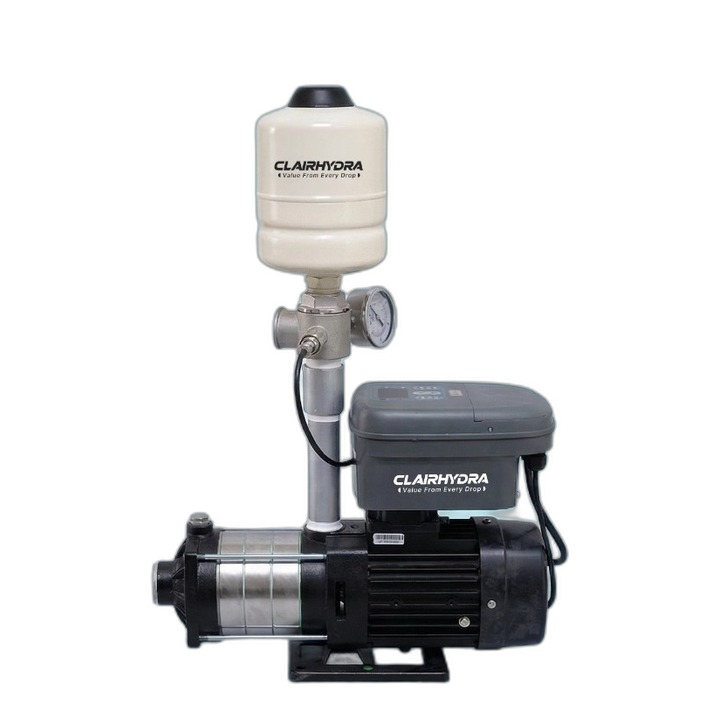 Hydro-pneumatic pressure boostingSelected around the required flow, head, controls and operating pattern.
Low or fluctuating pressure is usually a hydraulic and operating problem. Start with the system around the pump.
Weak supply at upper floors, distant outlets or peak-use periods.
Different outlets compete when simultaneous demand changes through the day.
Demand, storage and source conditions need to be understood together.
Controls, valves and the hydraulic arrangement matter as much as pump selection.
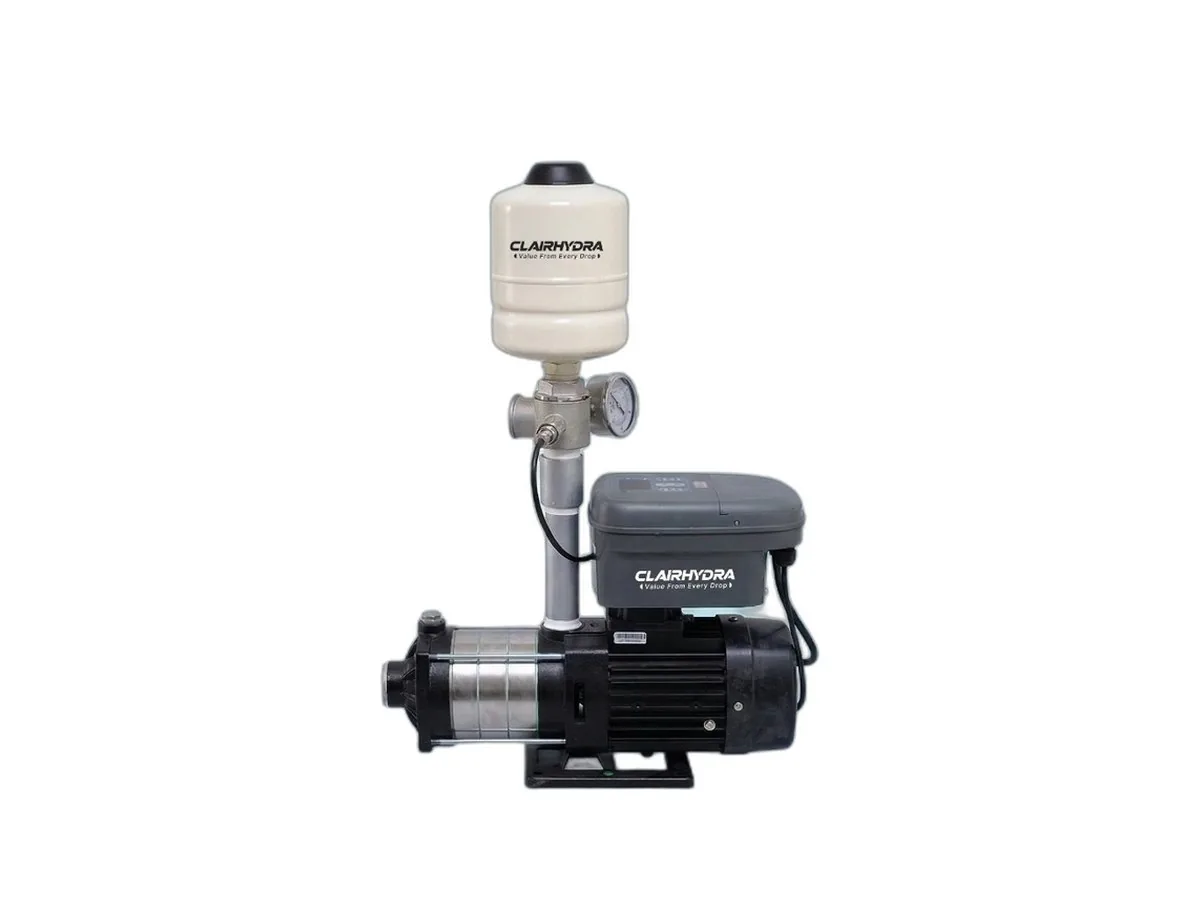
A booster should not be chosen from floor count, horsepower or daily consumption alone. Peak flow and total required head are the starting point—and existing restrictions, leaks, storage and treatment must be checked first.
These are engineering pathways, not catalogue packages. Final selection follows the required duty and site assessment.
A straightforward pathway where duty and operating demand are comparatively stable.
Variable-speed control may suit sites where demand changes materially through the operating period.
Storage, treatment and distribution are coordinated as one water journey when duties interact.
Final scope depends on the approved design, but the conversation should cover more than a pump nameplate.
Demand, source pressure, storage, floors, outlets and operating pattern.
Pump configuration, pressure vessel, sensors, valves and control approach as required.
Plumbing, electrical, treatment, storage and access requirements coordinated for the site.
Testing, commissioning, operator guidance and available service or AMC pathway.
Review the pressure complaint, building, source, storage and demand.
Define the duty, control pathway, integration points and scope.
Coordinate installation, checks, startup and operator handover.
Keep the system serviceable with planned maintenance and agreed support.
Clear answers before you compare systems.
Pressure can vary with building height, simultaneous demand, storage arrangement, pipework, valves and available source pressure. The hydraulic arrangement should be reviewed before selecting a pump.
The choice depends on the duty, demand pattern, control requirements, available space and operating brief. DhwaNeer reviews the site before recommending a configuration.
Useful starting information includes city, site type, floors, source and storage arrangement, current pressure issue, approximate demand, pipework and operating hours.
Yes. Pumping can be considered alongside storage, filtration, softening, RO or disinfection when the complete water journey requires coordinated design.
DhwaNeer can support assessment, supply, plumbing and electrical integration, commissioning, operator guidance and ongoing service. The agreed scope is specific to each project.
Start a WhatsApp conversation with DhwaNeer. Our team will ask for the few details needed to assess the duty.
Discuss your project on WhatsApp